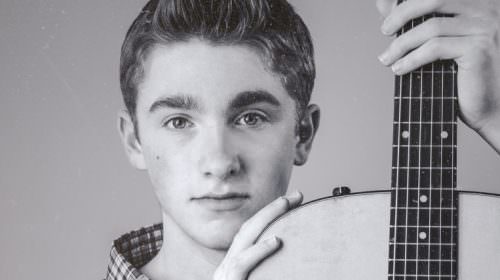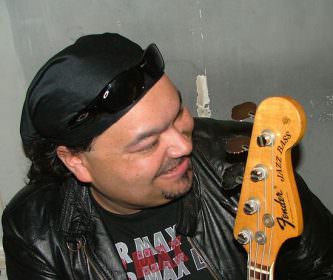
- Remarkable portraits with spinmama inspire artistic expression and unique style
- Unveiling the Technical Aspects of the Technique
- Mastering the Post-Processing Workflow
- Exploring the Aesthetic Influences
- The Impact of Lighting and Composition
- The Role of Subject Connection and Collaboration
- Encouraging Authenticity and Vulnerability
- Digital Tools and Emerging Technologies
- Expanding the Creative Horizons with Spinmama
Remarkable portraits with spinmama inspire artistic expression and unique style
The world of artistic expression is constantly evolving, with individuals seeking new avenues to showcase their creativity and personal style. A remarkable trend has emerged, centered around the innovative approach of spinmama, a method that’s capturing the attention of artists and enthusiasts alike. It’s more than just a technique; it's a philosophy that encourages experimentation, individuality, and a fresh perspective on portraiture and visual storytelling. This is a space where tradition meets innovation, resulting in images that are both captivating and deeply personal.
Understanding the core principles behind this artistic movement requires delving into the nuances of its implementation. It’s about breaking free from conventional norms and embracing a dynamic process, offering a different way to connect with the subject and translate that connection onto the canvas, or into a digital medium. The appeal lies in its accessibility, allowing artists of all skill levels to explore their potential and develop a truly unique aesthetic. Through carefully considered techniques and a willingness to push boundaries, artists are unlocking unprecedented levels of expressiveness with this innovative approach.
Unveiling the Technical Aspects of the Technique
At the heart of this approach lies a series of carefully coordinated steps designed to manipulate light, shadow, and composition in a way that results in dynamic and emotionally resonant portraits. It involves a unique interplay between the photographer, the subject, and the environment, creating a collaborative energy that infuses the final image with authenticity. The initial stage often centers around posing and lighting, a deliberate dance to sculpt the form and accentuate key features. Careful attention is paid to nuances of expression, ensuring the subject's personality shines through. This is not about achieving technical perfection, but capturing a genuine moment, a fleeting emotion, or a profound connection. The true magic happens when these raw elements are interwoven with advanced post-processing techniques.
Mastering the Post-Processing Workflow
The post-processing stage is where the artistic vision truly comes to life. It’s more than just adjustments to brightness and contrast; it's a delicate process of sculpting and refining the image, bringing out hidden details, and adding layers of texture and emotion. Advanced tools are employed to selectively adjust colors, tones, and textures, enhancing the overall impact of the portrait. The goal is to create an image that is not merely a representation of the subject, but an interpretation, a visual poem that speaks to the viewer on a deeper level. Understanding color theory, lighting principles, and a mastery of image editing software are crucial components of this artistic workflow.
| Software | Key Features |
|---|---|
| Adobe Photoshop | Layer masking, color grading, retouching, advanced filters |
| Capture One | Tethered shooting, exceptional color rendering, detailed adjustments |
| Luminar AI | AI-powered enhancements, streamlined workflow, creative presets |
| DxO PhotoLab | Optical corrections, noise reduction, sophisticated color controls |
The choice of software is often a matter of personal preference, but the underlying principles remain the same: to enhance, not distort, the natural beauty and essence of the subject. A crucial aspect is non-destructive editing, preserving the original image data and allowing for unlimited experimentation.
Exploring the Aesthetic Influences
This distinctive style doesn't exist in a vacuum; it draws inspiration from a rich tapestry of artistic movements and influential photographers. From the dramatic chiaroscuro of Renaissance painting to the intimate portraits of Irving Penn and the modern aesthetic of Annie Leibovitz, a multitude of influences contribute to its unique character. The influence of film noir, with its dramatic lighting and evocative mood, is often evident in the deep shadows and expressive posing. Additionally, the principles of classical composition, such as the rule of thirds and leading lines, are frequently employed to create visually balanced and harmonious images. It represents a synthesis of historical techniques and contemporary sensibilities.
The Impact of Lighting and Composition
Lighting plays a pivotal role in shaping the mood and atmosphere of a portrait. Utilizing techniques like Rembrandt lighting, where a small triangle of light is left on the cheek, can create a sense of depth and drama. Experimenting with different light sources – natural light, artificial light, or a combination of both – allows artists to sculpt the subject’s features and highlight their unique qualities. Compositionally, using negative space, leading lines, and carefully chosen backgrounds can draw the viewer’s eye to the subject and create a sense of visual harmony. A strong composition provides a framework for the image, guiding the viewer’s gaze and reinforcing the overall message.
- Emphasis on Mood: Creating a specific atmosphere through lighting and color.
- Storytelling through Posing: Using body language to convey emotion and narrative.
- Selective Focus: Drawing attention to key features and creating depth of field.
- Harmonious Color Palettes: Choosing colors that complement the subject and enhance the overall aesthetic.
These elements, when carefully considered and skillfully executed, elevate a portrait from a simple likeness to a captivating work of art.
The Role of Subject Connection and Collaboration
Perhaps the most crucial element of successful portraits using this approach is the connection established between the artist and the subject. It’s about more than just directing someone to pose; it's about creating a safe and comfortable space where they can be vulnerable and authentic. Building rapport, engaging in genuine conversation, and understanding the subject’s personality are essential steps in the process. The goal is to capture not just their physical appearance, but their inner essence, their story, and their unique spirit. This requires empathy, patience, and a willingness to listen. A collaborative approach, where the subject feels empowered and involved in the creative process, often yields the most compelling results.
Encouraging Authenticity and Vulnerability
A key to unlocking authentic expression lies in encouraging subjects to let go of inhibitions and embrace their imperfections. This often involves creating a relaxed and non-judgmental atmosphere, providing gentle guidance, and offering positive reinforcement. The artist should strive to create a space where the subject feels comfortable being themselves, free from self-consciousness or the pressure to conform to unrealistic beauty standards. It’s about celebrating individuality, embracing flaws, and highlighting the unique qualities that make each person special. Often, the most captivating portraits are those that reveal vulnerability and authenticity.
- Initial Consultation: Discuss the subject's vision and desired aesthetic.
- Building Rapport: Establish a connection through conversation and genuine interest.
- Guided Posing: Offer gentle suggestions and encouragement, rather than strict direction.
- Feedback and Collaboration: Show the subject images during the shoot and solicit their input.
This collaborative process ensures that the final portrait is a true reflection of the subject’s personality and spirit.
Digital Tools and Emerging Technologies
The evolution of digital photography and image editing software has revolutionized this entire field, offering artists unprecedented control and creative possibilities. High-resolution cameras, advanced lighting equipment, and sophisticated software tools have empowered artists to achieve results that were previously unimaginable. The accessibility of these tools has also democratized the art form, allowing individuals with limited resources to explore their creative potential. Furthermore, emerging technologies, such as artificial intelligence and machine learning, are beginning to play a role in the post-processing workflow, automating tedious tasks and offering new creative avenues. However, it's important to remember that technology is merely a tool; the true artistry lies in the artist’s vision and skill.
Expanding the Creative Horizons with Spinmama
The principles and techniques associated with spinmama are not limited to traditional portraiture. They can be applied to a wide range of photographic genres, including fashion, fine art, and even commercial work. The emphasis on dramatic lighting, expressive posing, and emotional storytelling can elevate any image, adding depth and visual interest. Experimenting with different styles, incorporating unexpected elements, and challenging conventional norms can lead to truly groundbreaking results. The beauty of this approach lies in its adaptability; it’s a framework that can be customized to suit the artist’s unique vision and creative goals. It’s a constant process of learning, experimentation, and refinement.
Looking ahead, the future of this artistic expression appears bright. As technology continues to evolve and new creative tools emerge, artists will undoubtedly discover even more innovative ways to push the boundaries of portraiture and visual storytelling. The core principles – the importance of subject connection, the power of light and shadow, and the pursuit of authenticity – will remain paramount. The continued exploration of spinmama’s potential promises to yield even more captivating and inspiring works of art, enriching the world of visual culture for generations to come.